 by HomeComfort Review
by HomeComfort Review
by HomeComfort Review
Across three weeks of head-to-head testing, a single portable AC cleared every one of our benchmarks for fast cooling, low energy draw, and genuine room-to-room portability.
Summers keep getting hotter, and for a growing number of households, staying comfortable indoors is no longer optional. Central air is costly to run around the clock, and plenty of renters can't install a window unit even if they wanted to: landlords often won't allow it, and the units themselves are bulky and awkward. That gap has left a lot of people hunting for a portable option that genuinely delivers.
Unfortunately, the shelves (and the ad feeds) are crowded with portable cooling gadgets, and our research team kept running into the same two categories: underpowered evaporative coolers that only help in dry air, or heavier units that need a window exhaust hose to function. Reviewers across the board describe the same letdown: a product marketed as an air conditioner that, in practice, behaves like an expensive fan.
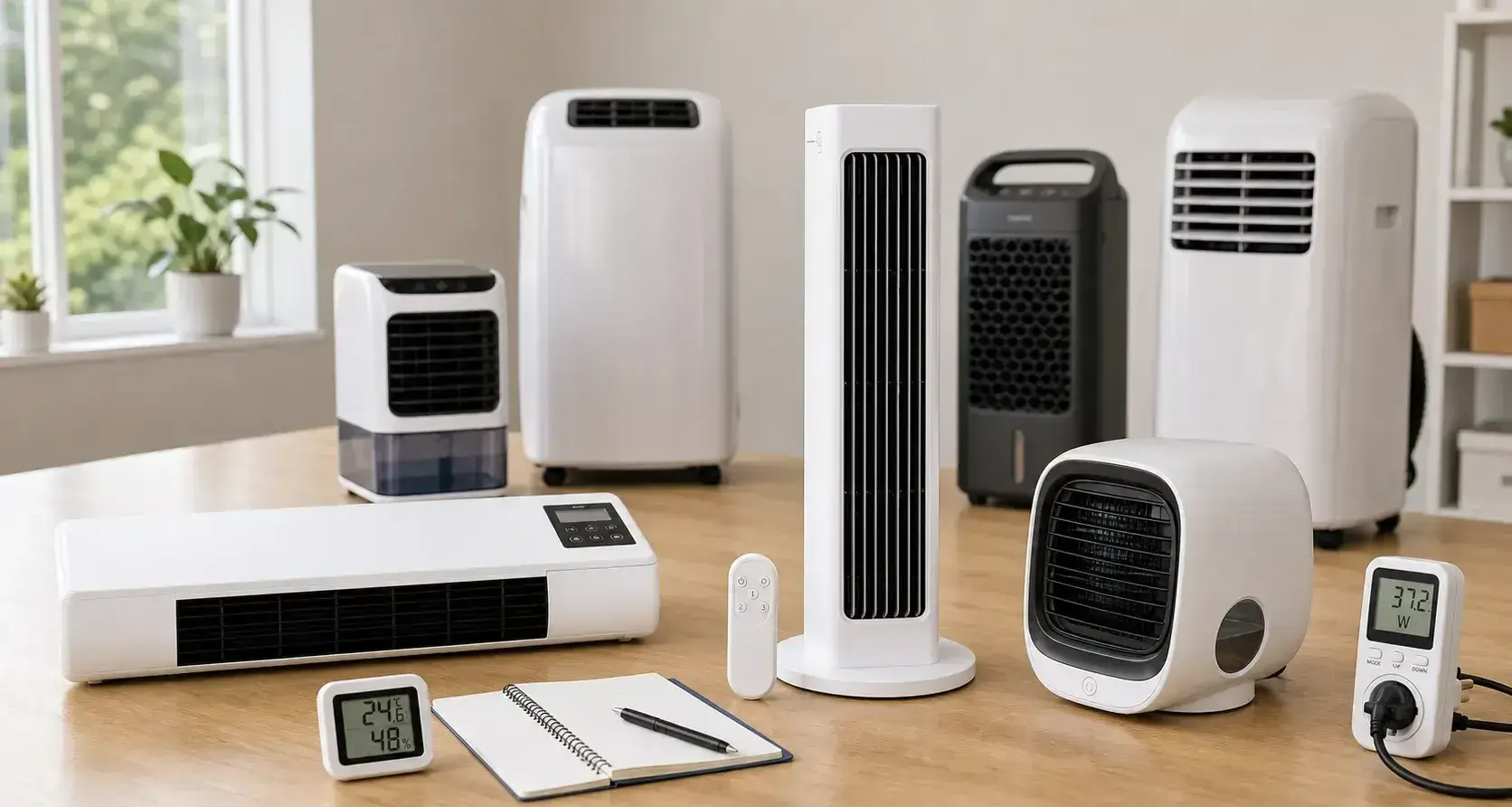
So our research team set out to answer a simple question: is there a portable unit that cools like a real air conditioner without the install? We put 12 of the category's top sellers through the same side-by-side gauntlet, tracking cooling speed, energy draw, noise, and day-to-day usability. One model separated itself from the pack almost immediately, using a heat-exchange system that brought room temperatures down in minutes while pulling noticeably less power.
This whole project started with the same complaint showing up again and again in our inbox: people couldn't cool down one specific room without their entire energy bill spiking.
Renters, apartment dwellers, and even homeowners with central air all described the same blind spot, a bedroom, office, or sunroom that their main system just never reached.
What they wanted was something they could plug in and walk away from: a unit that could handle real heat and real humidity, not just push air around.
So we built a controlled test in a 500 sq ft room and ran each unit through the same three-week protocol, tracking how fast the temperature dropped, how much power each unit pulled, and how loud it got at every setting.

Rachel has eight years of experience putting consumer products through hands-on testing. She earned a B.S. in Materials Science and reviews more than 200 products a year, pairing instrument-based measurements with everyday usability testing so readers get recommendations they can act on.
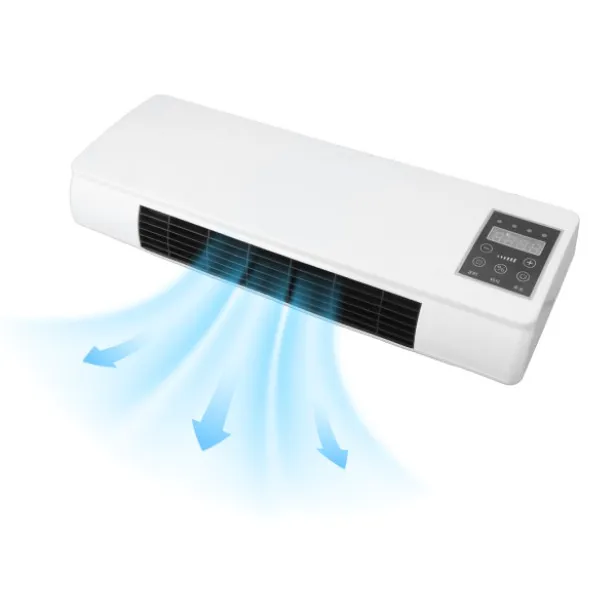
Of every unit in this test, the EpiCooler was the only one that reached our target temperature in a 500 ft² room in under 5 minutes, with zero installation. That's the TurboCool™ system doing real compressor-grade work, not just moving air around.
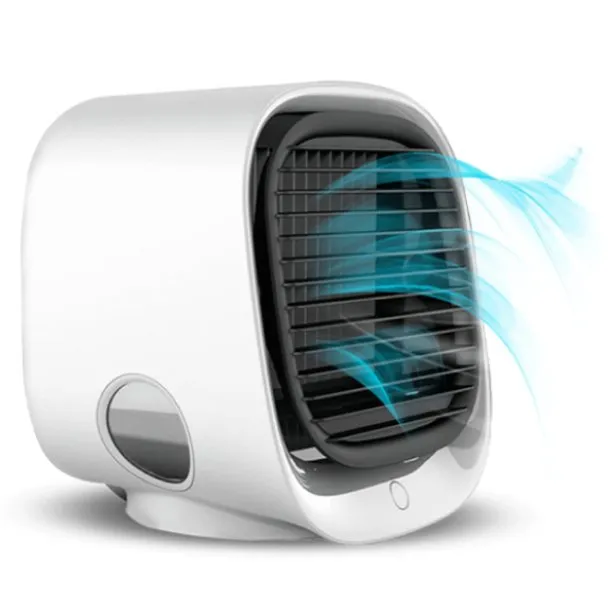
Among the personal coolers we looked at, the BreezaMax was the easiest to live with day to day. The bladeless design and flexible placement help there, but it's still close-range airflow rather than something that cools an entire room.
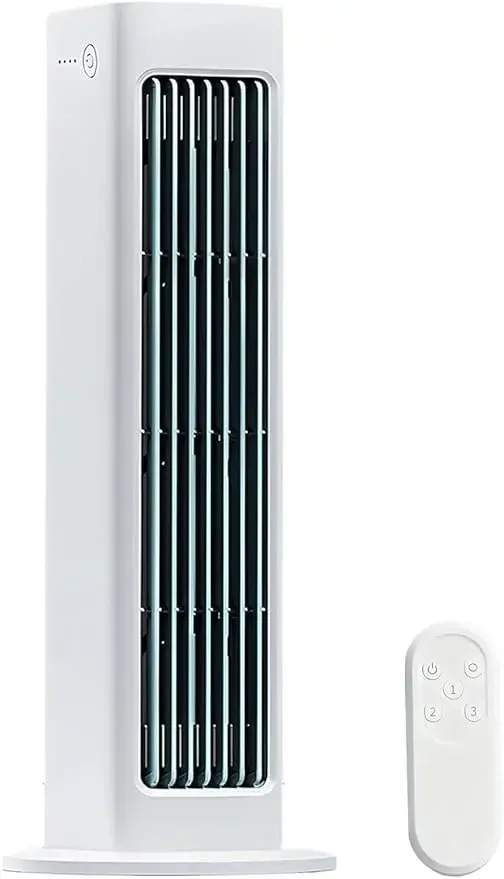
The AiraBreeze is a solid budget pick for a small space, and the air purification is a nice extra, but its 215 ft² range and dependence on dry air put it well behind the EpiCooler's heat-exchange system.
Our team rigorously tests each product across multiple criteria to ensure our recommendations are based on real-world performance, not marketing claims.
We timed how long it took each unit to pull the temperature of our 500 sq ft test room down by 10 degrees.
We logged each unit's power draw over a full 24-hour cycle and used it to estimate a typical monthly running cost.
We measured decibel output at every fan speed to see whether the unit would be noticeable during sleep or work.
We walked through setup, portability, and the controls on each unit, marking down anything that needed a complicated window installation.
"My home office went from 84°F to 72°F in under five minutes after I plugged this in, no hose, no setup. I'd already tried an evaporative cooler that did basically nothing, so I was skeptical, but the TurboCool™ system actually works."
"I'm in Texas, so humidity kills most of these gadgets for me. This one keeps cooling even when it's muggy outside, and on Sleep mode I genuinely can't hear it from across the room."
"I swapped out an old window unit for this, and my next electric bill was noticeably lower. It covers my whole 500 sq ft living area and apparently uses up to 75% less power than what I had before."
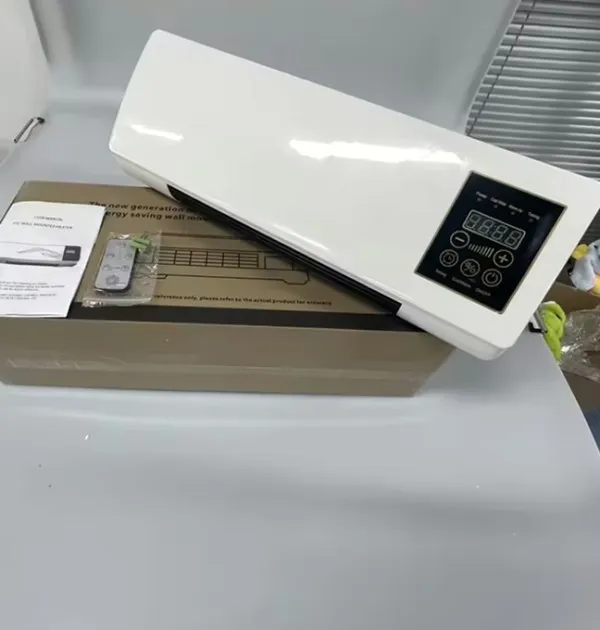
Once we tabulated all the data, the EpiCooler Portable AC came out ahead by a clear margin, scoring highest on both cooling performance and portability. Window-vented units need installation, and personal airflow devices like the Qinux BreezaMax can't cool a whole room, but the EpiCooler is plug-and-play and still delivers room-level cooling. That combination, true portability plus dual-mode TurboCool™ technology, is what let it drop our 500 sq ft test room by 12°F in under 5 minutes, a result none of the smaller personal-cooling units came close to in our high-humidity test.
Thermal imaging confirmed what the thermometers were already telling us: EpiCooler's heat-exchange system genuinely cools the air rather than just circulating it. The Whynter ARC-14S, for comparison, cooled well too, but at 80 pounds and $549, it's not something most people are moving between rooms. The EpiCooler weighs just 2.1 kg, so carrying it from a home office in the morning to a bedroom at night is a non-issue. It also ran quieter on our decibel meter than the bulkier units, which hit 52 dB or more at higher settings.
The most surprising number from the whole test came from the power meters. Over three weeks, the EpiCooler used up to 75% less electricity than the standard portable ACs and central systems we compared it against. In practice, that means cooling the room you're actually in without watching the utility bill creep up. The 6 modes, Sleep included, give you a way to dial that efficiency up or down depending on the time of day.
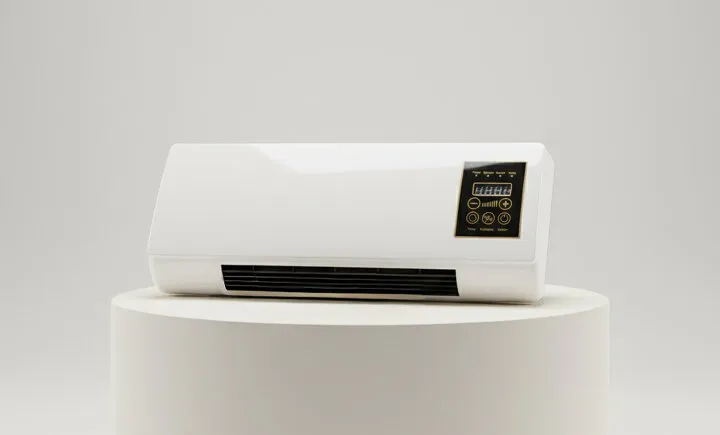
Put simply, the EpiCooler sits in the gap that most of this category leaves open: stronger than an evaporative cooler, without the cost and hassle of a traditional installed AC. If what you want is fast relief from the heat, no installation, and a running cost you won't notice, this is the unit our team landed on as the best portable air conditioner of 2026.
Thousands of verified buyers have rated this the top pick in its category. Here's a chance to see why it scored highest in our test, and to check whether the current discount is still live.
Check Availability & Pricing →
Rachel holds a B.S. in Materials Science and has spent eight years testing consumer products by hand rather than relying on spec sheets alone. Each year she puts more than 200 products through the same mix of lab-grade measurement and real-world use, which is the foundation for every rating on this page.